
The Code
At first glance, Song of Songs looks like a love poem between a man and a woman. But in the architectural tradition of Israel, it is considered the “Holy of Holies.” It is not poetry. It is code. It is a deep allegory for the interface between the Infinite Light and the finite Soul.
The “Bride” is the Soul (the seeker). The “Beloved” is the Divine (the caller). The story describes the mechanism of Exile and Redemption not as a war, but as a relationship: Longing. Hiding. Searching. Finding.
The Diagnosis
The text gives a precise diagnostic for our generation: “I sleep, but my heart is awake.”
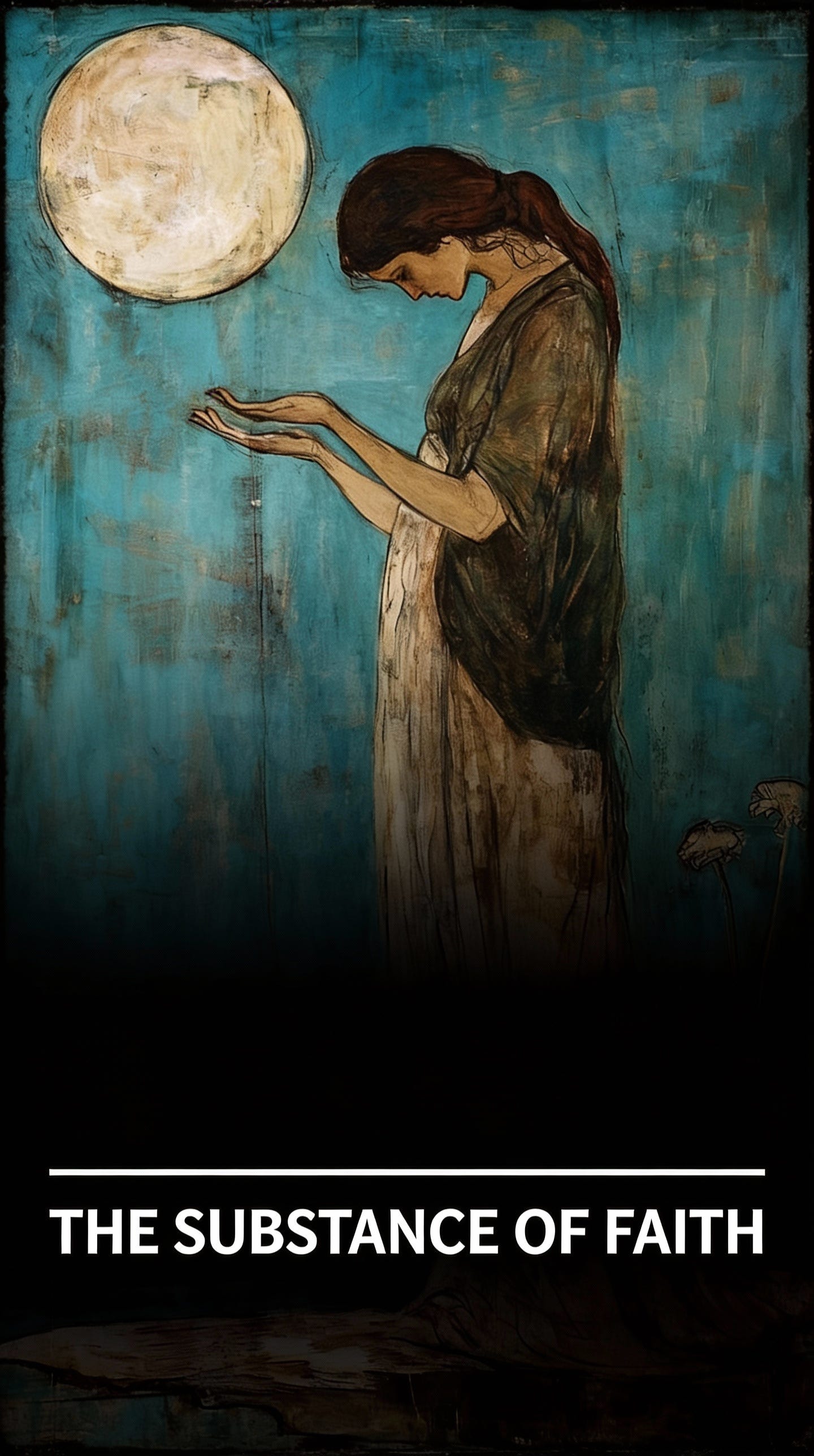
This describes a split state of being. “I Sleep”: The body, the external consciousness, and the daily routine are in a coma. They are submerged in habit, in fear, in the numbness of materialism. We go to work, we scroll, we pay bills—but we are sleepwalking. “My Heart is Awake”: The soul point. The pilot light. It never sleeps. It hears. It feels. It knows that there is something beyond the screen.
This is an internal wakefulness inside an external slumber.
The Knock
The text continues: “The voice of my beloved knocks.”
The Light is constant. It is always transmitting. “The Knock” is the constant call of the Divine to the human: Return to connection. Return to love. But because we are “sleeping” (distracted, numb), we interpret the knock as anxiety, or restlessness, or dissatisfaction.
The Awakening
This is the description of the entire generation. We look tired. We look confused. We look disconnected. But deep down, there is a quiet, massive awakening. The collective heart already hears the knock, even if the logical mind is hesitant to open the door.
Redemption is not a political event. It is the moment the “Sleeping Self” agrees to listen to the “Awake Heart.”
It is the moment you stop hitting snooze. You remember who you are. And you open the door.
Translated from the Hebrew Transmissions of Ruth Kedem
ORIYA’S NOTE
We often feel like we are living a double life. On the outside, we are functioning. We are high-performers. We answer emails. We smile at parties. We follow the script. But on the inside, there is a screaming silence. A feeling that this cannot be it.
We think this is depression. Or burnout. Or a mid-life crisis. The blueprints call it “Ani Yeshena V’Libi Er”—”I sleep, but my heart is awake.”
It means your avatar is running on autopilot, but the User behind the screen is wide awake and banging on the glass.
The “Knock” usually comes in the quiet moments. Late at night. Or in the split second before you check your phone in the morning. It is a subtle pressure. A demand for Truth.
Most of us try to drown out the knock with noise. With podcasts. With work. With substances. We are terrified that if we open the door, we will have to change our lives.
And we are right. If you open the door, you cannot go back to sleep. But the alternative is to spend your life as a zombie—walking, talking, and eating, but never actually waking up.